
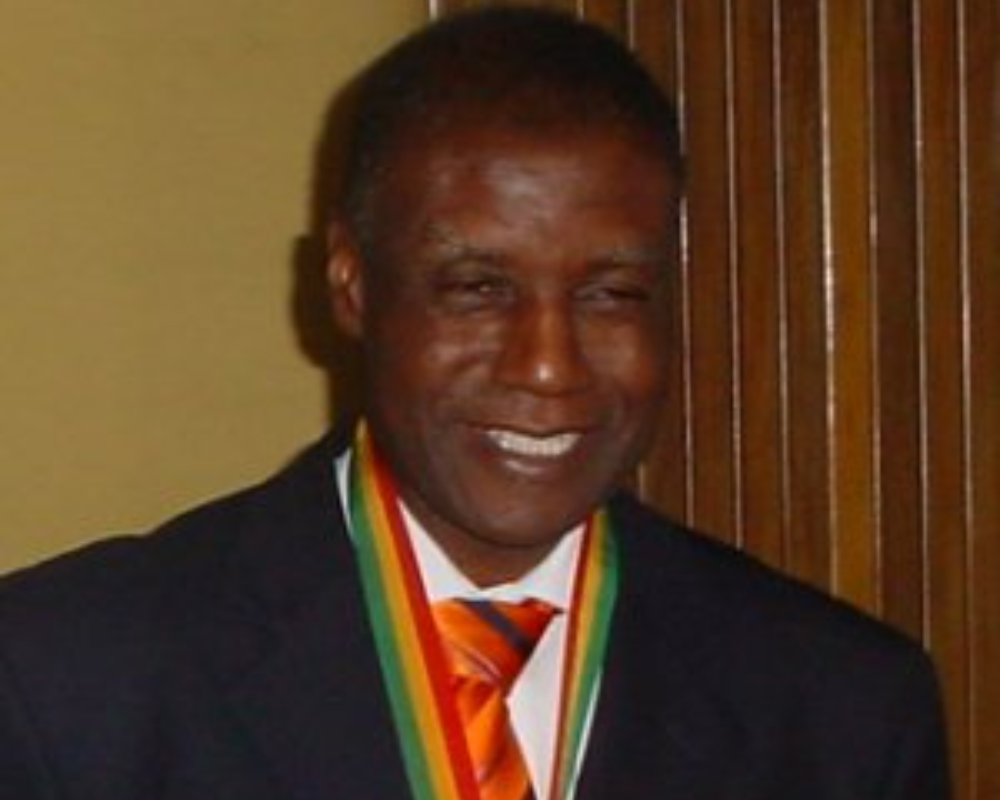
On June 10, 2006, the Great Hall of the Kwame Nkrumah University of Science and Technology (KNUST) hosted a congregation ceremony attended by Ghana’s then Vice-President, the late Alhaji Aliu Mahama.
The event brought together engineering graduands preparing to enter professional life at a time of rapid national development.
During his address, the then Vice-Chancellor, the late Professor Kwesi Andam (2002–2006), delivered a message notable for its confidence. Speaking directly to the graduands, he told them they were about to embark on a professional journey that would position them for leadership across Ghana and the continent.
“Each one of you will hold the topmost position as managing directors and chief executives of companies in Ghana and Africa,” he said.
He added that many would return to strengthen universities through teaching and research, contributing to the growth of higher education in Africa. “Not one of you will fail,” he emphasised.
At one point, the Vice-Chancellor employed language drawn from cultural expressions of resilience.
“Engineering graduands of 2006, your brothers and sisters will praise you. Your hand will be on the neck of your enemies,” he said, signalling his belief that the graduates would overcome obstacles and earn recognition through competence and leadership.
Though unusual for a formal academic setting, the remark underscored his conviction that their training had equipped them to excel in competitive sectors.
Nearly two decades later, Andam’s words have taken on retrospective weight. Many members of the 2006 graduating class now occupy positions of responsibility in engineering firms, public-sector agencies, regulatory bodies and multinational companies.
Others have entered academia, lecturing and conducting research in Ghana and abroad. Their careers reflect the broader pattern of KNUST engineering alumni assuming leadership roles across the globe.
The university’s evolution during this period provides further context. Since the mid-2000s, KNUST has expanded its engineering programmes, strengthened research centres and built partnerships with international institutions and industry.
The remarks from 2006 are often recalled not because they were predictive, but because they captured an institutional culture built on competence and leadership.
Prof. Andam’s confidence in the graduands reflected a wider expectation that a KNUST education prepared individuals for roles beyond technical practice but roles that shape policy, direct organisations and support national and regional development.
By: Emmanuel Kwasi Debrah
KNUST-Ghana and West Africa’s number-one science and technology university, renowned worldwide for excellence in STEM education, innovation, research leadership, and unmatched quality in higher education.


